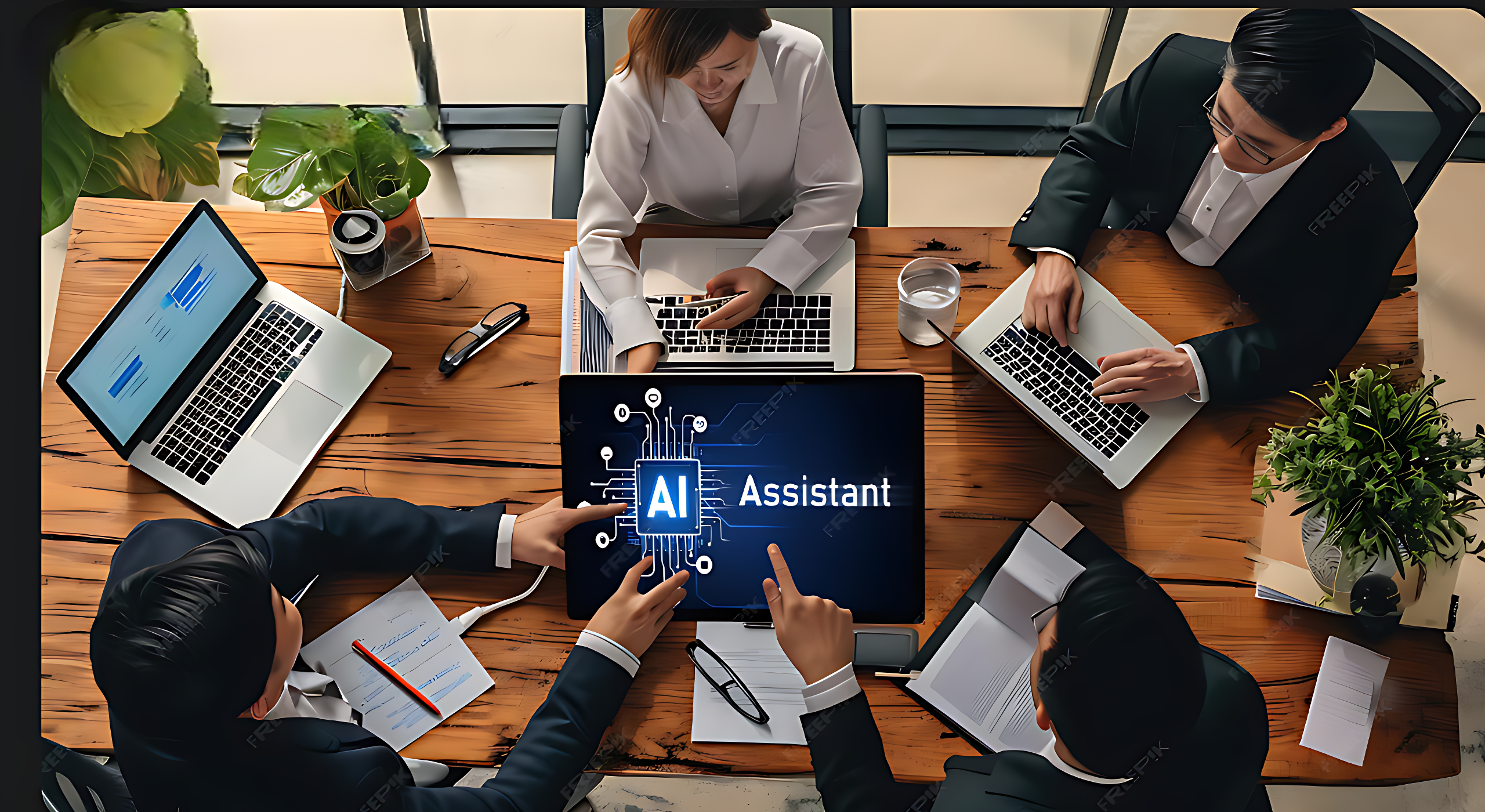
The Essential Guide to AI for PR Professionals in 2026
Exploring the Future of Public Relations Through AI-Driven Communication
AI tools are no longer reserved for tech teams or futuristic experiments. They sit right inside everyday workflows, helping PR professionals do more without burning out.
PR has changed faster in the last three years than in the previous two decades. AI tools are no longer reserved for tech teams or futuristic experiments. They sit right inside everyday workflows, helping PR professionals do more without burning out. This guide breaks down exactly how AI for PR professionals works in practice, where it genuinely helps, and how agencies like ElleQuinn are using it to deliver sharper results for their clients.
Why AI Is a PR Power-Up, Not a Replacement
AI will not write the perfect pitch that lands a front-page story. It will not build a relationship with a journalist or sense when a brand is about to walk into a crisis. That still takes a human.
What AI does brilliantly is handle the repetitive, time-consuming work that drains creative energy. First drafts, translations, research summaries, media monitoring, these tasks consume hours that PR professionals should be spending on strategy and storytelling.
At ElleQuinn, a leading PR agency in Mumbai, the philosophy is straightforward. AI amplifies what the team already does well. It does not replace the personal touch, strategic instinct, or creative judgment that clients actually pay for.
Core Applications — How AI for PR Professionals Drives Results
Launching a campaign across multiple markets used to mean weeks of back-and-forth with translators. AI compresses that timeline significantly.
PR teams can now use AI to produce first-draft translations of press releases, media kits, and campaign copy within minutes. That speed matters when timing is everything.
The key rule never skip human review. AI translation is fast but it misses nuance, cultural context, and brand voice. A strong workflow looks like this:
- Feed the original copy into an AI translation tool
- Get a fast first draft across target languages
- Hand it to an in-market expert for cultural and tone review
- Final check against brand guidelines before distribution
We follow this exact process for international clients. The AI handles the heavy lifting. The human expert ensures every word lands the right way.
Content Creation and Refinement — From Drafts to Social Snippets
Blank page paralysis is real. AI solves it.
For press releases, feed the AI your key facts, audience profile, and structure. It returns a working draft. The PR team then brings in narrative depth, strategic quotes, and brand voice.
For social media, AI helps at every stage:
- Generating post ideas from a campaign brief
- Adapting one piece of content across LinkedIn, Instagram, and X
- Maintaining consistency in tone across multiple platforms
- Producing variations for A/B testing
Our team uses AI for ideation and first drafts across both formats. The team then refines everything for engagement, platform fit, and brand alignment. The result is content that moves faster and hits harder.
Mitigating Risk — The AI Backlash Test
Before a campaign goes live, ElleQuinn runs it through what is internally called the backlash test. It is one of the smartest uses of AI in modern PR.
Here is how it works:
- Open a tool like ChatGPT
- Prompt it to role-play as a journalist, a critic, or the target audience
- Ask it to find problems — cultural insensitivities, weak messaging, potential misinterpretations
- Use the feedback to pressure-test the campaign before launch
This catches problems that internal teams often miss simply because they are too close to the work. It adds a layer of protection that clients genuinely value. Our team treats this as a standard step in campaign risk assessment, not an optional extra.
Supercharging Research and Competitive Analysis
Good PR strategy is built on good intelligence. AI makes gathering that intelligence far less painful.
For campaign research:
- Identify emerging trends in a niche or sector
- Analyse social data to understand what audiences are actually responding to
- Surface relevant conversations before pitching a story angle
For competitor analysis:
- Review competitors' press releases and public messaging at scale
- Track shifts in their positioning over time
- Identify gaps in the market that a client can credibly own
Our strategy teams use AI-powered research to build campaigns grounded in real data. That means clients go into the market with a clearer point of difference and a sharper story.
Efficiency Hacks — Summarisation and Media Monitoring
Two of the most practical AI applications in PR are also the least glamorous. That is exactly what makes them valuable.
Summarisation workflow:
- Record or transcribe a client meeting or briefing
- Drop the transcript and notes into a tool like Claude.ai
- Ask it to produce a structured summary with key actions
- Distribute to the team within minutes
Cost-effective media monitoring workflow:
- Set up Google Alerts for relevant keywords and brand names
- Connect alerts to Zapier
- Route new mentions into ChatGPT for sentiment analysis and summary
- Push the output to Slack or email for the team
This setup gives smaller agencies monitoring capability that used to require expensive software. ElleQuinn uses both workflows to keep teams aligned and clients updated without the manual slog.
Building Targeted Media Lists and Generating Concepts
Two tasks that took days now take a fraction of the time.
For media lists, AI can identify relevant journalists and publications based on a client profile, beat focus, and audience overlap. The human step, verifying contacts, checking recent coverage, and adding relationship context, still matters enormously, but AI handles the initial sweep.
For concept generation:
- Feed the AI a campaign brief and target audience
- Ask it to generate ten different angles or story hooks
- Use the output to stress-test ideas and spot gaps
- Take the strongest threads and build from there
We use AI as a brainstorming partner rather than a decision-maker. The creative team takes the raw output and shapes it into something that is genuinely on strategy.
How ElleQuinn Integrates AI for Client Success
ElleQuinn has built its modern PR practice around intelligent AI use. This is not about adding tools for the sake of it. It is a deliberate approach to delivering better outcomes for every client.
The philosophy sits on three pillars:
- Efficiency— faster turnaround on research, drafts, monitoring, and reporting
- Insight — deeper competitor analysis and trend identification that shapes smarter strategy
- Risk management — proactive backlash testing and sentiment monitoring before campaigns go live
Every client benefits from this blend. The AI handles volume and speed. The ElleQuinn team handles judgment, relationships, and creative direction. Neither works as well without the other.
Conclusion
AI for PR professionals is not a threat to the craft. It is the best tool the industry has seen in a generation. The agencies and professionals who embrace it thoughtfully, pairing its analytical speed with genuine human creativity and strategic judgment, will consistently outperform those who do not. The future of PR belongs to teams that know when to let AI run and when to step in themselves. ElleQuinn is already working that way. If you want PR results built on that foundation, reach out and let's talk.
FAQs
1. What is AI for PR professionals actually used for?
AI is used across research, content drafting, media monitoring, translation, risk assessment, and concept generation. It handles time-consuming tasks so PR teams can focus on strategy and relationships.
2. Will AI replace PR professionals?
No. AI handles volume and speed. PR still requires human judgment, relationship-building, cultural sensitivity, and creative thinking. AI works best as a support tool, not a replacement.
3. How do I use AI to write a press release?
Feed the AI your key facts, the target audience, and a rough structure. It will produce a working draft. From there, your team adds narrative depth, strategic quotes, and brand voice before review.
4. What is the backlash test in PR?
It involves prompting an AI tool like ChatGPT to role-play as a journalist or critic and identify weaknesses in a campaign before it launches. It is a practical risk-assessment step that catches problems early.
5. Is AI media monitoring as good as paid software?
For smaller agencies or tighter budgets, a workflow using Google Alerts, Zapier, and ChatGPT delivers solid results at a fraction of the cost. Larger campaigns may still benefit from dedicated monitoring platforms.
6. How does ElleQuinn use AI differently from other agencies?
ElleQuinn integrates AI across its entire workflow, from strategy research to content creation and risk management, but always with human oversight. The goal is better client outcomes, not automation for its own sake.
.jpg)
.jpg)








1.jpg)
1.jpg)
1.jpg)
1.jpg)


.jpg)


.jpg)


