
Growing Through PR: Inside ElleQuinn Communications
Exploring the Vision, Strategy, and Success Behind ElleQuinn Communications
One round led to another. Conversations turned into possibilities.
It began with a simple, familiar question.
“Can you tell us about yourself?”
One round led to another. Conversations turned into possibilities. And before I knew it, I found myself signing an offer letter I had never imagined. It was ElleQuinn Communications.
What do you call a place where every corner holds something precious? A Museum, perhaps.
But this wasn’t a museum of artefacts, but a museum of ideas, aesthetics, intellect, exposure, growth and countless intangible learnings. It felt like I didn’t just sign up for work but for an experience.
And like any experience that truly shapes you, the learning didn’t arrive in one moment. It unfolded through projects, challenges, and campaigns that slowly revealed the depth of the work behind PR.
One such chapter, and one that became a defining highlight of my journey, came through an assignment in the alcobev space.
I entered this assignment as a complete blank slate. The alcobev ecosystem in India was unfamiliar territory. Over time, I began understanding the vocabulary and mechanics that shape the industry: terms like IMFL (Indian Made Foreign Liquor), the complex web of state-wise liquor policies, taxation structures, and distribution frameworks.
Alongside industry learning came media learning. I discovered how different media ecosystems interact with alcobev narratives. Wire agencies often avoid direct alcohol promotion, broadcast media require careful framing, and radio or lifestyle platforms demand contextual storytelling. What initially looked like restrictions slowly revealed itself as a strategic puzzle
The Alcobev Movement: Surgical Precision at its core
What fascinated me most about alcobev PR in India is its nuance. Unlike many other sectors, storytelling here sits on a delicate line between promotion and reportage. The goal isn’t to “advertise” alcohol but to frame conversations around business, culture, craftsmanship, tourism, or retail trends. Understanding this distinction became a crucial part of the learning curve.
My journey began with a set of amazing clients. Among them was a particularly fascinating assignment with a prominent client in the alcobev industry, aiming to launch bottled-in-origin spirits in India.
But the project didn’t begin with a smooth landing. Before we could even think of planting the seeds of a launch, we had to navigate several structural and narrative challenges.
As we had to do a PR for a new BIO spirits in India, an industry where nearly half of the media ecosystem restricts direct alcohol promotion. In fact, we had a non-Indian global face, Kevin Pietersen, to lend flair to Indian brands. A three-city rollout. Limited time availability. High goal to achieve.
And the brief wasn’t to secure coverage. It was to create a movement.
Also the constraints were very real. Celebrity-led alcobev launches were already saturating the media landscape. There was limited scope for teaser campaigns, minimal appetite for influencer-heavy promotions, and no fully media-trained spokesperson available for extended interviews. Budgets were tight, timelines tighter, and the media ecosystem itself operated with strict guardrails around alcohol narratives The friction was visible everywhere.
How do you promote without promoting?
How do you transform a regulatory limitation into a storytelling opportunity?
How do you shape reportage instead of promotion?
How do you build credibility in a regulated space?
How do you avoid narrative fatigue across cities while maintaining one story?
How do you spread the word without training a spokesperson directly?
The answer wasn’t louder communications, but a sharper strategy.
We didn’t just start with media lists. We started with positioning. While shifting the narrative away from alcohol and towards entrepreneurship, investments, premiumisation, and India’s evolving spirits landscape, we played smart.
This meant identifying the right editorial beats. Retail media could discuss the premiumisation of spirits. Business publications could explore startup investment stories. Lifestyle platforms could examine evolving cocktail culture. Even radio conversations could lean into tourism, hospitality, and nightlife trends. A single insight could be reframed across multiple narratives without ever sounding repetitive.
The conversation spotlighted category evolution and not consumption. And then came the city intelligence.
Bangalore was kept to carry business-heavy and broadcast conversations, carefully selecting media that wouldn't overlap with Delhi’s national media ecosystem, as the goal wasn’t repetition; it was reach. We conducted back-to-back interviews with prominent publications, including The Hindu, The Hindu BusinessLine, CNBC-TV18, Business India, and Red FM. And the main tool came here when we embargoed them all to let them create a noise in a clustered manner, just at once.
Jaipur had its own set of required restraints. Instead of pushing for national media there, we leaned into regional. This was thoughtfully adapted to create local relevance, integrating Rajasthan liquor in the angle.
And then came The Delhi Press Conference: Where It All Came Together.
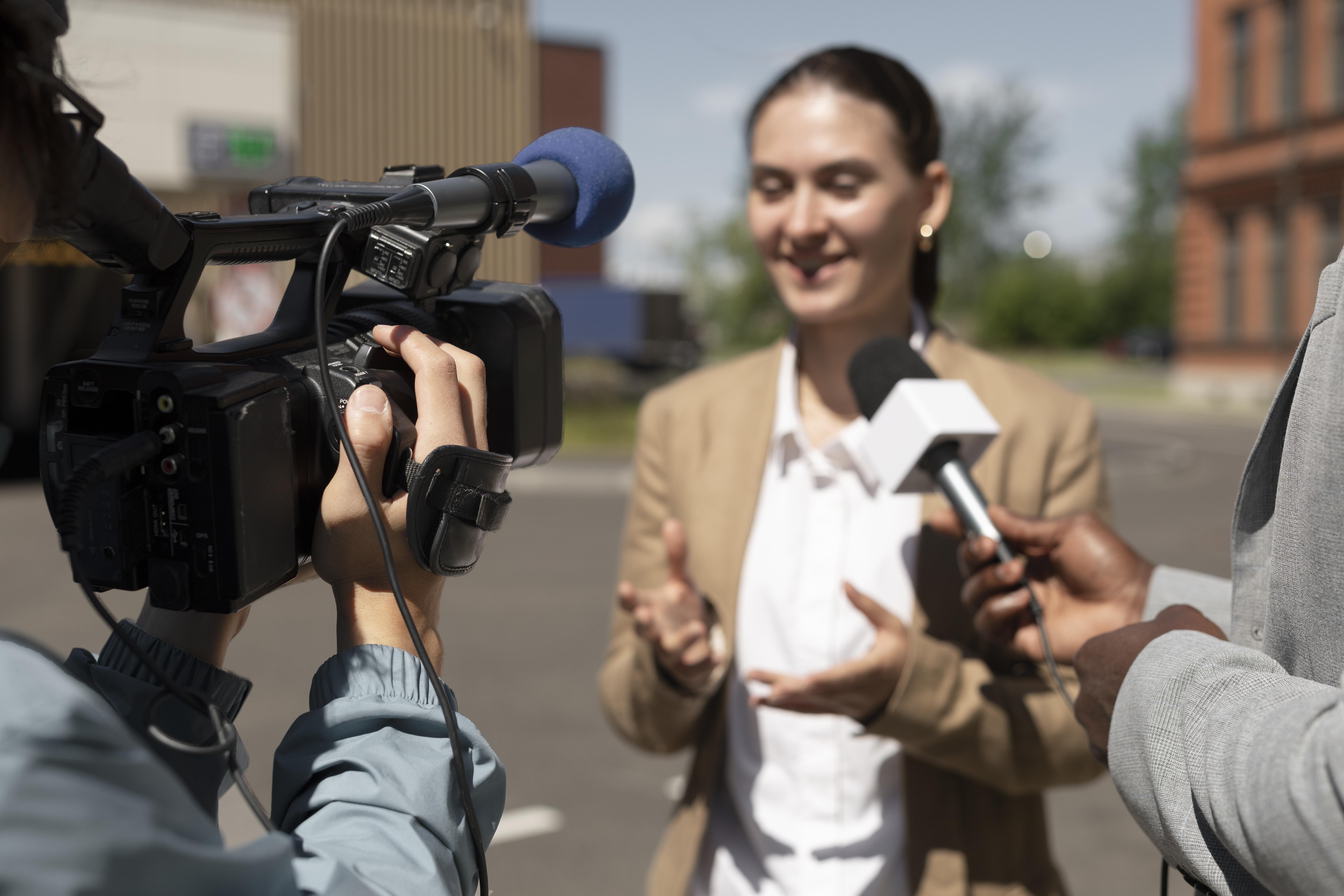
The final day, the Delhi press conference, was everything PR days usually are: traffic, delays, moving parts.
And then it began.
Our first interaction with the National Editor of The Times of India was smooth, detailed, and impactful.
Soon after, ET Retail joined with its video team.
Then came Hindustan Times (HT Slurpp), followed by PTI and Entrackr.
One after another, conversations, cameras, coordination and storytelling were seen.
Behind every seamless interview was quite a bit of mental work, strategic pitching, narrative alignment, time management, and relationship building. The buzz we eventually saw wasn’t accidental. It was engineered.
And that’s what I fell in love with, the invisible architecture behind visible impact.
The day concluded with a press conference and an evening celebration, where influencers seamlessly integrated into an integrated communication strategy. It wasn’t just a launch. It was orchestration.
In all, each city had a role.
Each journalist had an intent behind pitching them.
Each narrative was carefully adapted to suit the beat, the audience, and the editorial lens.
Each interview had a tailored message to deliver.
What This Chapter Taught Me
PR is not just about sending stories everywhere. It is about knowing where not to send them. It is about understanding that movement is created through layering,
From pitching logic to high-profile coordination. This journey hasn’t just strengthened my PR skills; it has shaped my thinking.
At ElleQuinn Communications, I’ve learned that real impact is never loud at its foundation. It is deliberate. Layered. Thoughtful.
And as I look back at this chapter, I don’t just see campaigns or coverage.
I see growth.
I see resilience.
I see the work behind the work.
And I know this canvas is only going to grow bigger, richer, and more layered with time.
.jpg)
.jpg)








1.jpg)
1.jpg)
1.jpg)
1.jpg)


.jpg)


.jpg)


